Algorithms Bridging Soccer and Horse Racing Wagers for Better Risk Assessment
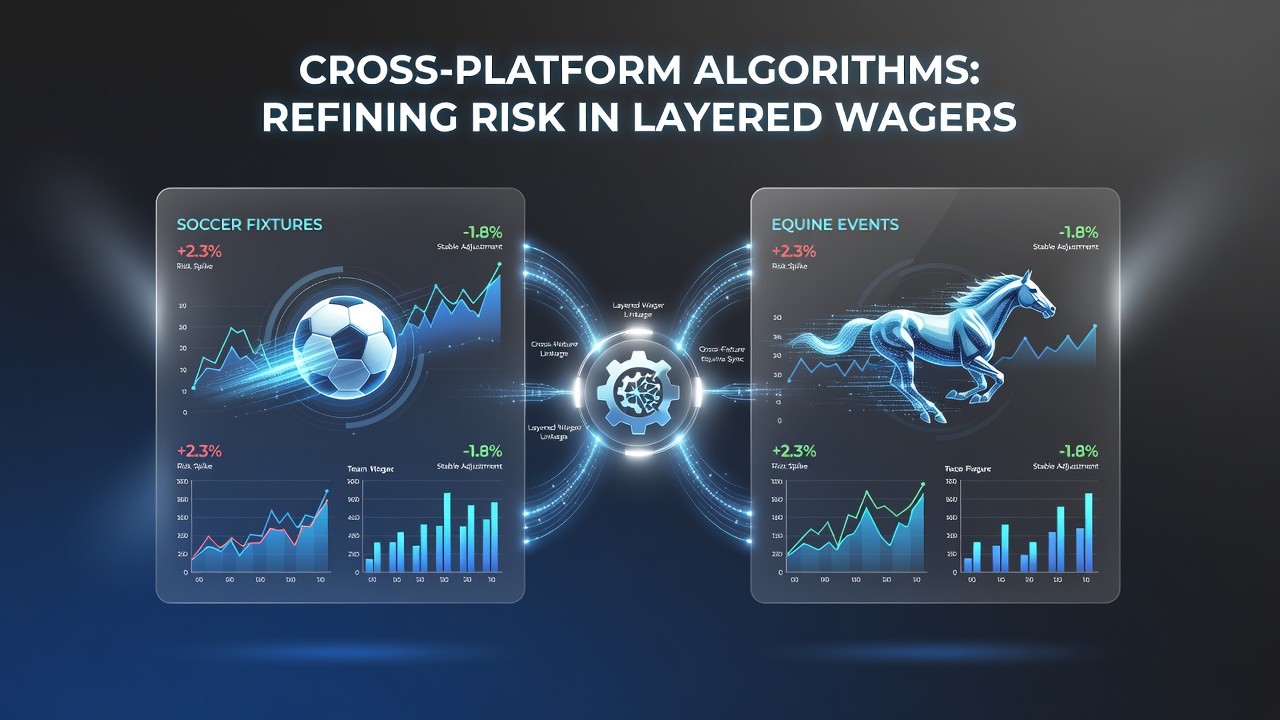
Cross-platform algorithms now combine datasets from soccer fixtures and equine events to refine risk calculations on layered wagers, and these systems process live odds, historical performance metrics, and external variables in unified models. Observers note that operators deploy these tools to manage accumulators spanning multiple sports, and the approach reduces exposure by identifying correlations that single-platform systems overlook.
Data Streams Feeding Integrated Models
Soccer match statistics such as possession rates, expected goals, and injury reports feed into the same analytical engines that track equine factors including track conditions, jockey records, and sectional timings. Researchers at institutions like the University of Nevada, Las Vegas have documented how these merged inputs improve probability estimates for multi-leg bets, and the work appears in reports from the International Center for Gaming Regulation.
Operators run continuous updates because soccer fixtures occur year-round while equine calendars peak in certain seasons, so the algorithms adjust weighting dynamically; for instance, a July 2026 surge in midweek Premier League games coincided with major festival racing meetings, prompting recalibration of correlation coefficients across platforms.
Layered Wager Structures and Risk Refinement
Layered wagers typically stack outcomes such as a soccer team winning plus a horse placing in a specific race, and algorithms calculate joint probabilities rather than multiplying independent odds. This method accounts for shared variables like weather systems affecting both pitches and tracks on the same day, and data from the Australian Gambling Research Centre shows measurable shifts in operator margins when such linkages receive proper modeling.
Techniques include Bayesian networks that update beliefs as new information arrives, alongside machine learning classifiers trained on historical accumulator results. Those who've studied these implementations report that false positive risk signals drop when cross-platform data replaces isolated calculations, yet the models still require human oversight for rare event clusters.
Implementation Patterns Observed in 2026
During July 2026 several major platforms rolled out refreshed versions of these algorithms following regulatory filings in multiple jurisdictions, and the updates incorporated real-time satellite weather feeds plus player tracking data from wearable devices. The changes allowed finer adjustments on bets linking evening soccer matches with twilight horse meetings, and operators documented narrower variance in payout distributions after deployment.

One documented case involved an operator adjusting stakes on accumulators featuring underdog soccer results paired with longshot equine finishes, and the system flagged elevated risk when both events shared regional weather disruptions. Such refinements rely on graph-based representations where nodes represent individual legs and edges capture conditional dependencies.
Technical Components Driving Accuracy
Feature engineering plays a central role because raw statistics from soccer and racing must be normalized before joint analysis, and practitioners apply transformations such as z-score scaling across disparate scales. Ensemble methods then combine outputs from gradient boosting trees with neural network predictions, producing risk scores that operators use to set liability caps on specific wager combinations.
Validation occurs through backtesting against archived results spanning multiple seasons, and those running the tests often compare cross-platform models against legacy single-sport versions to quantify improvement. Figures released by research consortia indicate consistent gains in predictive calibration when equine and soccer datasets interact within the same framework.
Future Trajectories for Cross-Platform Systems
Developers continue exploring reinforcement learning agents that simulate layered wager outcomes across expanded event sets, and early trials suggest these agents can propose hedging strategies in real time. Integration with blockchain-based data oracles may further streamline verification of results from both soccer governing bodies and racing authorities, reducing settlement delays on complex accumulators.
Conclusion
Cross-platform algorithms that link soccer fixtures with equine events have become standard tools for refining risk calculations on layered wagers, and their continued evolution depends on access to high-quality synchronized datasets. As more operators adopt these methods, the industry sees measurable shifts in how multi-sport accumulators are priced and managed, with ongoing research from academic and regulatory sources guiding further refinements.