Casino Perks Fueling Bankroll Tactics Across Football Matches and Horse Racing Events
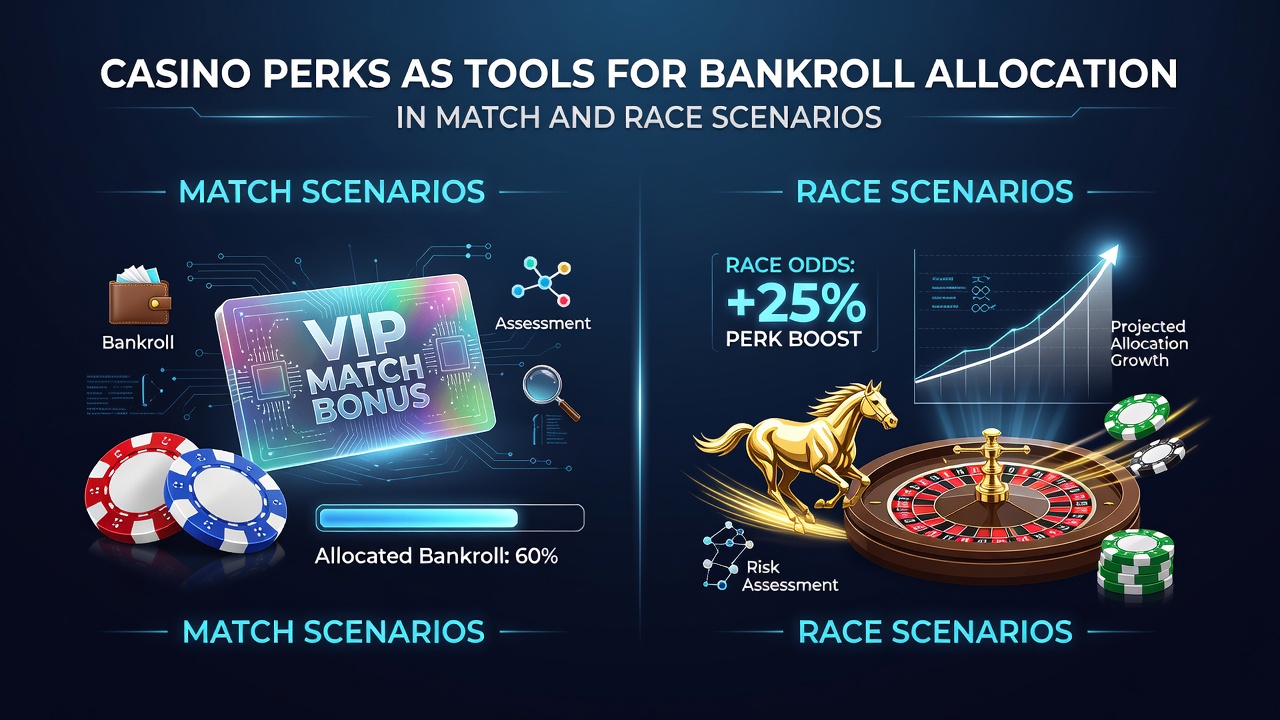
Observers note that casino perks such as deposit matches, cashback offers, and loyalty points function as structured mechanisms for distributing funds in betting environments that include live football matches and thoroughbred races, and data from multiple operators shows these incentives often tie directly to wagering requirements that guide how players segment their available capital.
Core Mechanics of Casino Perks in Betting Contexts
Research indicates that deposit bonuses typically require a minimum initial payment before releasing additional credits, which players then allocate across specific bet types, while cashback programs return a percentage of losses on a weekly or monthly cycle and create a replenishment effect that supports continued participation without immediate new deposits. Studies from the Australian Gambling Research Centre reveal that these structures influence allocation patterns because the funds often carry playthrough conditions that favor certain bet categories over others.
Those who track operator promotions report that loyalty tiers unlock higher cashback rates or reduced wagering thresholds, and this progression encourages users to consolidate activity within one platform rather than spreading across multiple sites. Figures released in July 2026 from Canadian provincial regulators documented a 14 percent rise in bonus redemption rates tied to sports and racing markets compared with the previous year.
Allocation Strategies for Football Match Scenarios
Bankroll division in football betting frequently incorporates bonus credits for accumulator wagers because the multipliers attached to combined selections align with the volume requirements many promotions demand. One study from the University of Nevada Reno found that participants who earmarked 30 percent of their total funds to bonus-derived stakes achieved steadier session lengths when focusing on live in-play markets during Premier League and Champions League fixtures.
Observers have documented that free bet tokens, another common perk, often come with stake-not-returned conditions, which means players assign these tokens to higher-odds selections while protecting core capital for lower-variance bets such as match totals or handicap lines. This separation creates a layered approach where promotional value covers exploratory wagers and personal funds handle core positioning.
Extending the Same Principles to Horse Racing Events
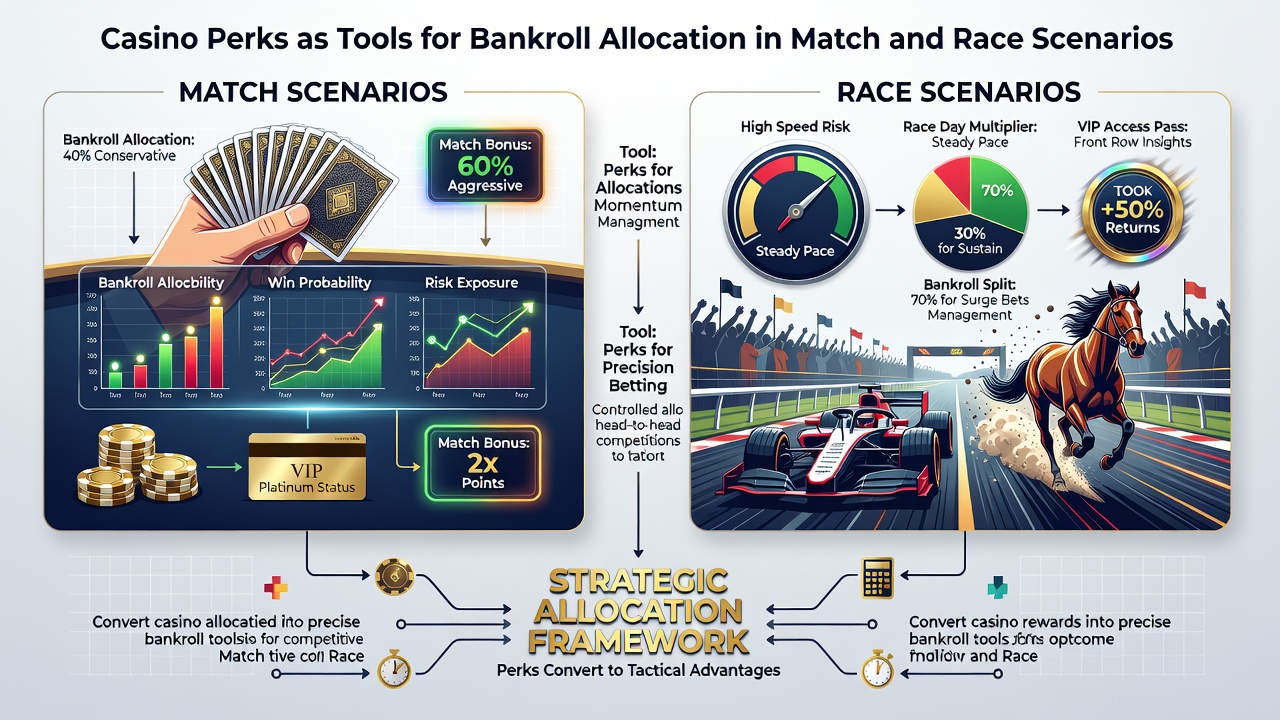
Horse racing platforms integrate casino-style rewards through enhanced place terms or free bet credits that apply across both flat and jump meetings, and data from the New Zealand Racing Board shows these incentives frequently pair with each-way betting structures that spread risk across multiple outcomes per race. Participants often route cashback proceeds toward smaller-stake bets on longer-priced runners while reserving matched deposits for favorites or strong contenders identified through form analysis.
Allocation becomes more granular when trainers and jockey statistics update in real time, because players can shift remaining bonus balances toward late-race opportunities without touching primary funds. Reports compiled by the European Gaming and Betting Association indicate that racing operators saw a measurable uptick in multi-leg accumulator usage when cashback offers reset at the start of each month.
Integration Patterns Observed Across Both Markets
Operators frequently link casino loyalty points to sports and racing wallets through unified accounts, which allows users to convert points into betting credits that then follow the same allocation rules applied to football or equine selections. This convergence means a player can fund a midweek Premier League accumulator with converted points and later apply the same balance to a weekend steeplechase meeting without additional deposits.
Regulatory updates in several jurisdictions during 2026 reinforced disclosure requirements around wagering contributions from different game types, and this transparency has helped clarify how casino-derived funds contribute to overall betting volume in match and race categories. Those monitoring industry reports note that platforms now provide clearer breakdowns of bonus versus cash play, enabling more precise tracking of allocation efficiency.
Conclusion
Available data demonstrates that casino perks operate as defined instruments for segmenting betting capital between football matches and horse racing events, with specific mechanics such as playthrough conditions and loyalty progression shaping how funds move across different wager types. Continued monitoring by research bodies will track whether allocation patterns evolve further as operators adjust reward structures in response to regulatory and market shifts.