Cross-Disciplinary Data Analysis: Performance Metrics Uniting Soccer Fixtures with Equine Competitions
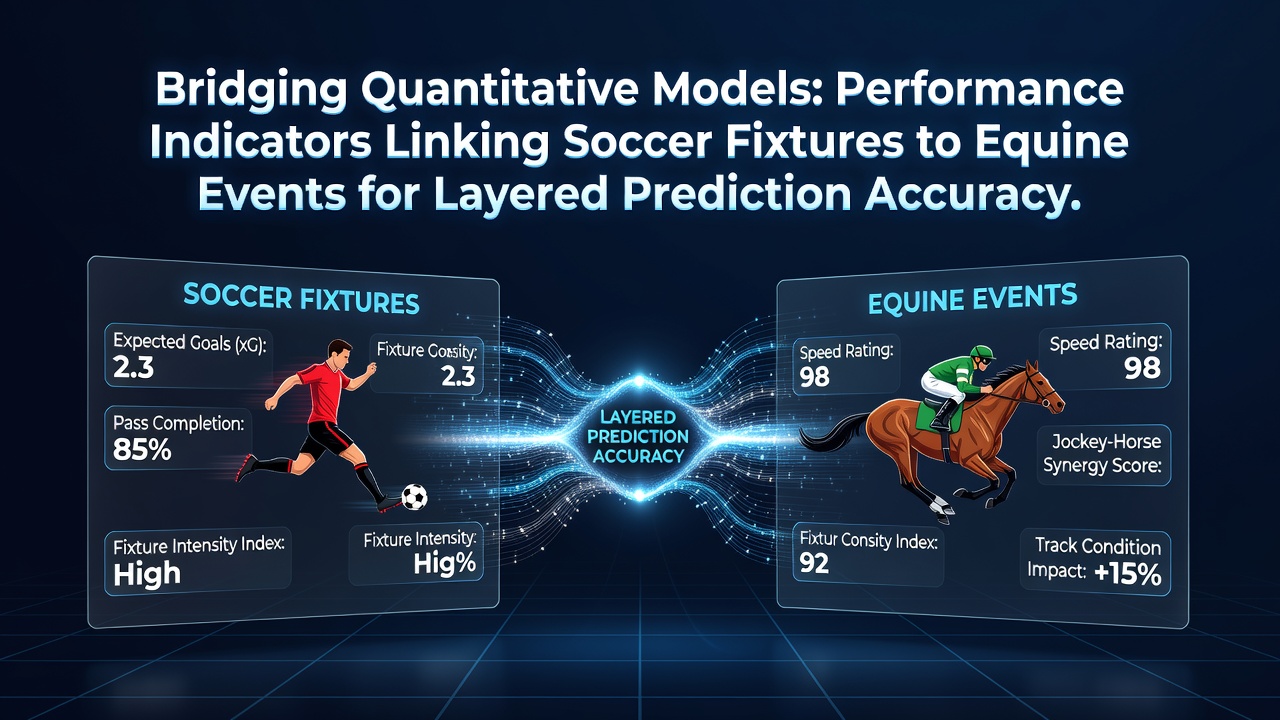
Quantitative models now draw direct connections between soccer fixtures and equine events through shared performance indicators that enhance layered prediction systems, and researchers continue to refine these approaches as data sources expand. Teams track metrics such as player workload distributions alongside jockey positioning patterns, while analysts integrate team possession percentages with equine stride length averages to build more robust forecasting frameworks. These bridges allow for multi-layered accuracy improvements that account for variables across both sports simultaneously.
Core Performance Indicators in Soccer Contexts
Soccer datasets include expected goals calculations, pass completion rates under pressure, and defensive line synchronization measures that reveal consistent patterns across match schedules, and observers note how these elements combine with fatigue indicators from congested fixture lists. Performance tracking platforms record high-intensity running distances per player along with recovery intervals between sprints, while machine learning algorithms process historical results to isolate repeatable signals. Data from European leagues shows these indicators maintain stability across seasons when adjusted for opponent strength and venue effects.
Parallel Metrics in Equine Events
Equine competitions generate comparable statistics through sectional timing splits, finishing speed profiles, and barrier draw impacts that mirror the structured nature of soccer analytics, yet these figures adapt to track conditions and race distances. Trainers monitor heart rate recovery curves post-exercise and stride frequency adjustments on varying surfaces, while quantitative systems correlate past performances against field sizes and pace scenarios. Studies from Australian racing authorities demonstrate how velocity decay rates in final furlongs align with similar late-game drop-offs observed in soccer matches.
Integration Techniques for Layered Predictions
Model builders merge soccer fixture data with equine event records by aligning temporal sequences such as weekly match cycles against race meeting calendars, and this process uses normalization methods to compare dissimilar units like goal probabilities with win percentages. Algorithms apply cross-validation across datasets to test indicator correlations, while ensemble techniques layer outputs from separate sport-specific models into unified forecasts. One documented approach involves mapping momentum shifts from soccer half-time adjustments onto equine mid-race position changes to refine probability estimates.
June 2026 data releases from international sports analytics conferences highlighted expanded datasets that incorporate real-time biometric feeds from both soccer players and racehorses, allowing for dynamic model updates during active periods. These updates improve accuracy when sudden variables like weather shifts or team selection changes occur across linked events.

Case Applications and Validation Methods
Analysts have applied these bridged models to predict outcomes in overlapping competition windows, such as major soccer tournaments coinciding with festival race meetings, and validation comes from back-testing against historical results where combined indicators outperformed single-sport baselines. Researchers at institutions including those in Canada have published findings on how injury rate correlations between contact sports and high-speed equine disciplines strengthen predictive layers when included as weighting factors. Take one dataset from North American thoroughbred records that aligned with soccer recovery metrics to forecast performance dips during dense scheduling periods.
External validation draws from reports by the Australian Transaction Reports and Analysis Centre on data integrity standards in sports modeling, alongside academic work from the National Institutes of Health archives examining cross-domain statistical applications. These sources confirm that layered systems maintain reliability when performance indicators undergo rigorous standardization across different athletic domains.
Future Refinements in Model Architecture
Developers now incorporate graph neural networks to map relational data between soccer squads and racing stables, treating both as interconnected nodes within broader performance ecosystems, and this architecture captures indirect influences like shared training methodologies or environmental factors. Real-time sensor integration continues to grow, with positional tracking devices feeding continuous streams that update prediction layers mid-event. Observers note increasing adoption among professional analysts who combine these tools with traditional scouting inputs for comprehensive evaluations.
Conclusion
Bridged quantitative models demonstrate measurable gains in prediction accuracy by linking established performance indicators across soccer fixtures and equine events, and ongoing refinements through expanded datasets support further integration. These systems rely on consistent metric alignment and validation protocols that researchers continue to advance across multiple regions and competition calendars.