Echoes in Endurance: Recovery Metrics from Midfielders Informing Stamina Assessments in Steeplechase Fields
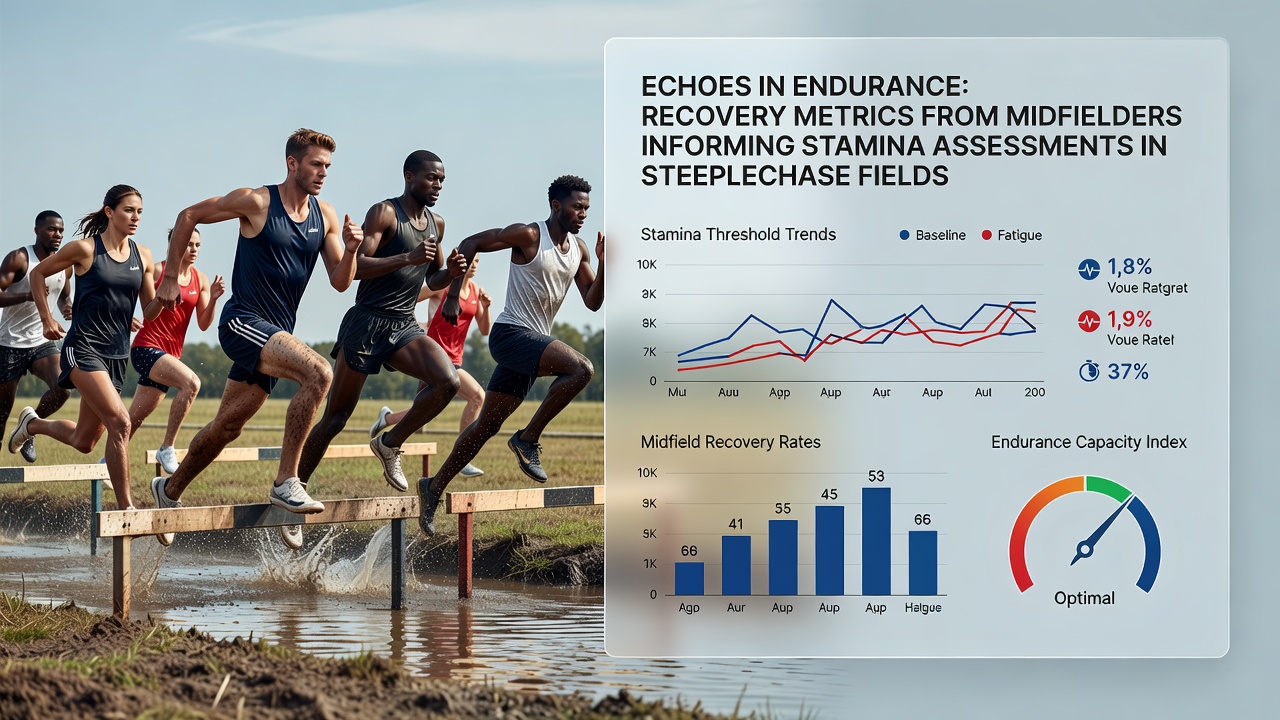
Recovery metrics collected from soccer midfielders have started to shape stamina evaluations for athletes competing in steeplechase events, where sustained effort over varied terrain demands precise physiological monitoring. Data from wearable devices and GPS systems track heart rate variability, lactate thresholds, and sleep patterns in midfield roles that involve constant transitions between high-intensity bursts and recovery phases, and researchers apply similar frameworks to steeplechase participants who must manage energy across repeated barrier clearances and water jumps.
Key Recovery Indicators in Midfield Play
Studies from the American College of Sports Medicine highlight how midfielders maintain elevated heart rates during matches yet demonstrate rapid return to baseline during brief stoppages, with metrics such as heart rate recovery time and creatine kinase levels providing indicators of muscle damage and readiness for subsequent sessions. Observers note that these measurements often come from league-wide datasets collected across multiple seasons, where midfielders average 11 to 13 kilometers per match while executing frequent accelerations that stress both aerobic and anaerobic systems.
Training protocols in professional soccer now incorporate daily assessments of neuromuscular fatigue through countermovement jump tests and subjective wellness questionnaires, and these same tools have found their way into steeplechase preparation programs. Athletes in the discipline benefit from comparable tracking because steeplechase races require repeated explosive efforts followed by immediate re-establishment of rhythm, much like the positional demands placed on central midfielders who link defense and attack.
Application to Steeplechase Stamina Evaluation
Steeplechase fields present unique challenges because competitors navigate fixed obstacles while maintaining pace over distances that typically range from 2000 to 3000 meters in championship events. Research indicates that recovery capacity between hurdles directly influences overall finishing times, prompting coaches to adopt soccer-derived models that quantify work-to-rest ratios during interval sessions. One study conducted at the University of Queensland examined how post-exercise heart rate deceleration patterns observed in soccer translated to improved pacing strategies among steeplechase runners, showing measurable gains in repeat sprint ability after targeted recovery interventions.

Coaches integrate blood lactate sampling and session rating of perceived exertion scales originally refined in soccer environments to monitor steeplechase athletes during altitude camps and high-volume training blocks. These approaches allow for individualized adjustments that prevent overreaching while maximizing aerobic development, especially when athletes prepare for championship meets scheduled in late summer periods such as August 2026.
Data Patterns Across Disciplines
Comparative analyses reveal overlapping physiological profiles between elite midfielders and steeplechase specialists, particularly in measures of maximal oxygen uptake and running economy. Figures from the European College of Sport Science demonstrate that both groups exhibit similar improvements in recovery when high-intensity interval training is paired with structured sleep and nutrition protocols, leading to reduced injury incidence during competitive phases. Practitioners have documented cases where steeplechase athletes who adopted soccer-style load management software recorded lower rates of Achilles and hamstring complaints, conditions that frequently interrupt training continuity in both sports.
Monitoring technology continues to evolve, with inertial measurement units now capturing ground reaction forces during hurdle clearances and comparing them against soccer-specific acceleration data. Such integration supports evidence-based decisions on when athletes can safely increase training intensity without compromising subsequent performance, and organizations including the Australian Institute of Sport have published guidelines that explicitly reference cross-sport metric sharing as a recommended practice.
Implementation in Current Training Environments
National training centers have begun running joint workshops where soccer performance analysts present dashboards that steeplechase coaches adapt for their squads. These sessions focus on interpreting trends in heart rate variability and readiness scores collected over multi-week periods, allowing for periodized plans that align peak fitness with major competition windows. Athletes who follow these blended protocols report consistent ability to sustain effort through the final laps of steeplechase races, where fatigue typically manifests as altered stride mechanics and reduced clearance efficiency.
Longitudinal tracking further shows that midfielders who return from injury faster when guided by objective recovery thresholds provide templates for steeplechase runners managing similar setbacks. Data collected through centralized athlete management platforms now includes variables such as weekly training load, acute-to-chronic workload ratios, and subjective fatigue scores that inform both daily prescriptions and seasonal planning.
Conclusion
Recovery metrics developed within soccer midfield contexts continue to inform stamina assessments in steeplechase fields through shared physiological principles and advancing measurement technologies. Organizations across multiple regions maintain ongoing collaboration to refine these cross-disciplinary applications, ensuring that athletes in both domains benefit from precise, data-driven approaches to endurance management and performance optimization.