Endurance edges: linking late-game football fatigue patterns to stamina plays in distance chases

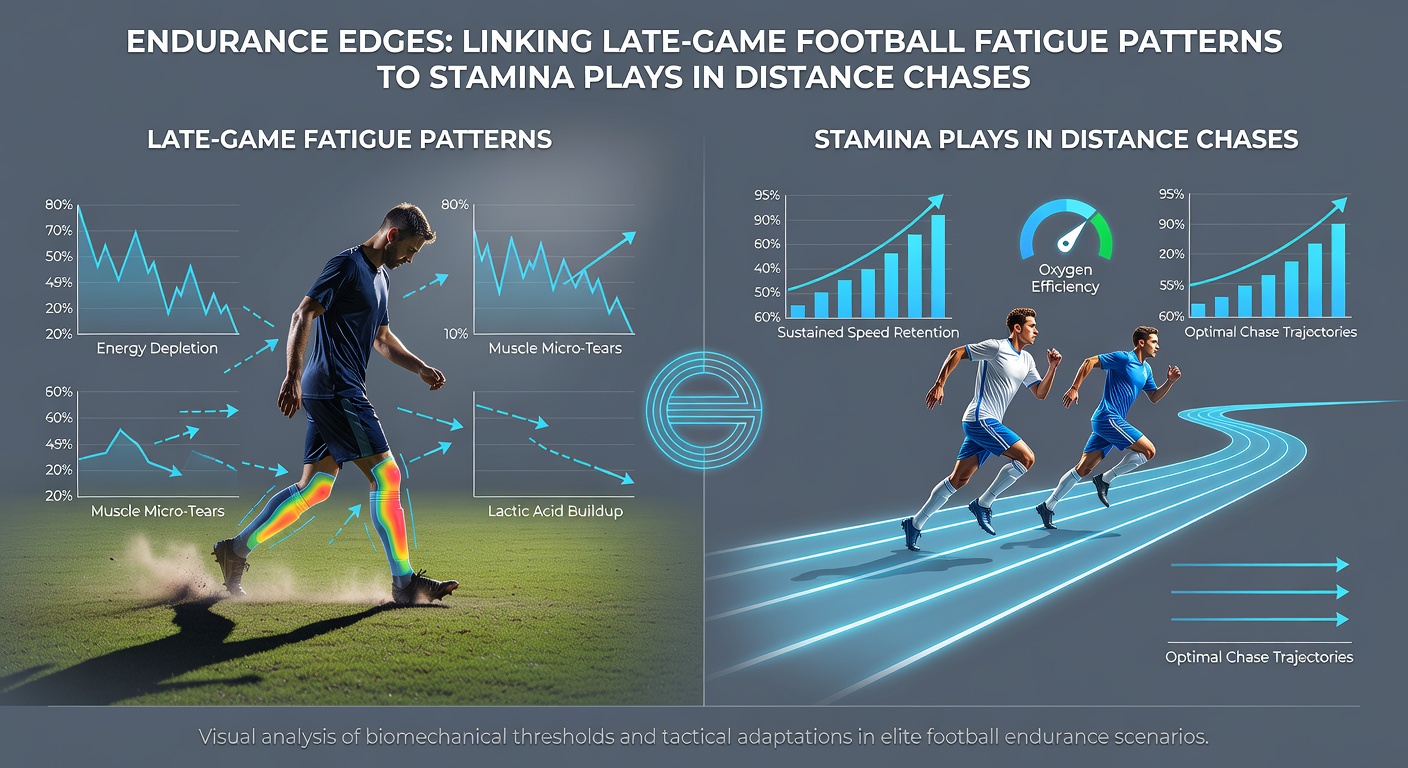
Patterns in player endurance during the final stages of football matches reveal measurable declines in sprint frequency and decision speed that parallel stamina requirements in extended horse racing events, and analysts track these shifts through performance metrics collected across multiple seasons. Data from professional leagues shows that teams covering higher distances in the first half often experience a 15 to 20 percent drop in high-intensity efforts after the 70-minute mark, creating opportunities where opposing sides exploit reduced defensive coverage in the closing period.
Football fatigue metrics and late-match dynamics
Performance tracking systems record that midfielders and fullbacks accumulate the greatest workload early, which leads to elevated lactate levels and slower recovery between bursts as games progress. Studies conducted by sports science groups indicate that substitute players introduced after the 60th minute maintain higher average speeds than starters who have already logged 80 minutes, and this substitution effect appears consistently across domestic and European competitions. Observers note that set-piece success rates also shift in the final quarter because fatigued defenders lose aerial positioning, allowing attacking units to convert more headed chances from crosses delivered in the 80th to 90th minute window.
Coaches adjust tactics by pushing wide players inside during these phases because central channels open up when legs tire, and video analysis confirms that counter-attacks launched after the 75-minute mark succeed at higher percentages when the defending side has maintained possession for long stretches earlier. Figures from major tournaments demonstrate that matches decided by single goals frequently turn on these late surges, since the side with fresher legs controls transitions once initial energy stores deplete.
Stamina demands in distance chases
Distance chases place similar emphasis on sustained output because horses must maintain pace over fences while carrying weight that increases energy expenditure in the later stages. Handicappers examine sectional times from previous outings to identify animals that quicken after the final fence rather than fade, and records show that stayers with proven records over three miles or more often improve their placing when the pace slows in the middle section of a race. Jockeys who conserve early energy by settling behind the leaders position their mounts to challenge when frontrunners tire on the uphill sections typical of many British courses.
Weather conditions further influence these stamina tests because softer ground increases the energy cost per stride, and horses with proven records on heavy surfaces hold advantages when forecasts predict rain close to race day. Trainers monitor recovery rates between runs because animals that bounce back quickly from previous exertions handle the cumulative demands of festival schedules better than those requiring longer intervals between starts.
Connecting the two disciplines through shared endurance principles
Analysts who monitor both sports identify crossover value when football matches reach the final twenty minutes at the same time as major chase meetings conclude their longer races, because fatigue patterns in one domain mirror those observed in the other. Performance databases reveal that horses running from off the pace in staying chases mirror the late surges seen from fresh substitutes in football, and this timing alignment allows multi-sport strategies that capitalize on similar energy depletion curves. Researchers at institutions such as the Australian Institute of Sport have documented comparable physiological markers in team and individual endurance events, which supports the view that late-race acceleration depends on earlier energy management.
Market movements reflect these connections when odds adjust after in-play data shows a football side struggling with high workloads or when sectional updates indicate a staying chaser has conserved reserves for the final climb. Those who follow both codes note that the same statistical models used to predict football substitutions also apply to jockey tactics in distance events, since both rely on identifying when participants cross an endurance threshold and lose the ability to respond to pressure.
Practical applications in combined betting approaches
Operators structure promotions around these endurance alignments because punters seek value in markets that reward late timing rather than early dominance, and volume increases when fixtures overlap during spring and autumn schedules. Records from past seasons show that accumulators built on late football goals combined with staying chase winners produce steadier returns than early-goal or sprint-race selections, since the underlying fatigue mechanics remain consistent across years. Canadian regulatory reports from the Alcohol and Gaming Commission of Ontario highlight rising interest in cross-sport products that pair football and racing outcomes, confirming that participants value integrated analysis over isolated event focus.
Trainers and coaches release workload data through official channels in both sports, allowing handicappers to refine selections based on recent minutes played or distances covered in prior races. This transparency creates clearer edges for those who cross-reference recovery indicators with historical performance in similar conditions, and the pattern holds whether the surface is grass, turf, or all-weather.
Conclusion
Endurance thresholds in football and distance chases follow parallel trajectories driven by measurable physiological limits, and data collected across leagues and racecourses continues to support strategies that target late surges once initial energy reserves diminish. Observers who track both domains gain clearer perspectives on timing because the same principles of workload management and recovery apply whether the participant is a midfielder or a staying chaser. As schedules evolve through 2026 and beyond, these connections remain central to understanding how fatigue shapes outcomes in extended contests.