Pattern Recognition in Layered Bonus Deployment Across Soccer Leagues and Flat Racing Circuits
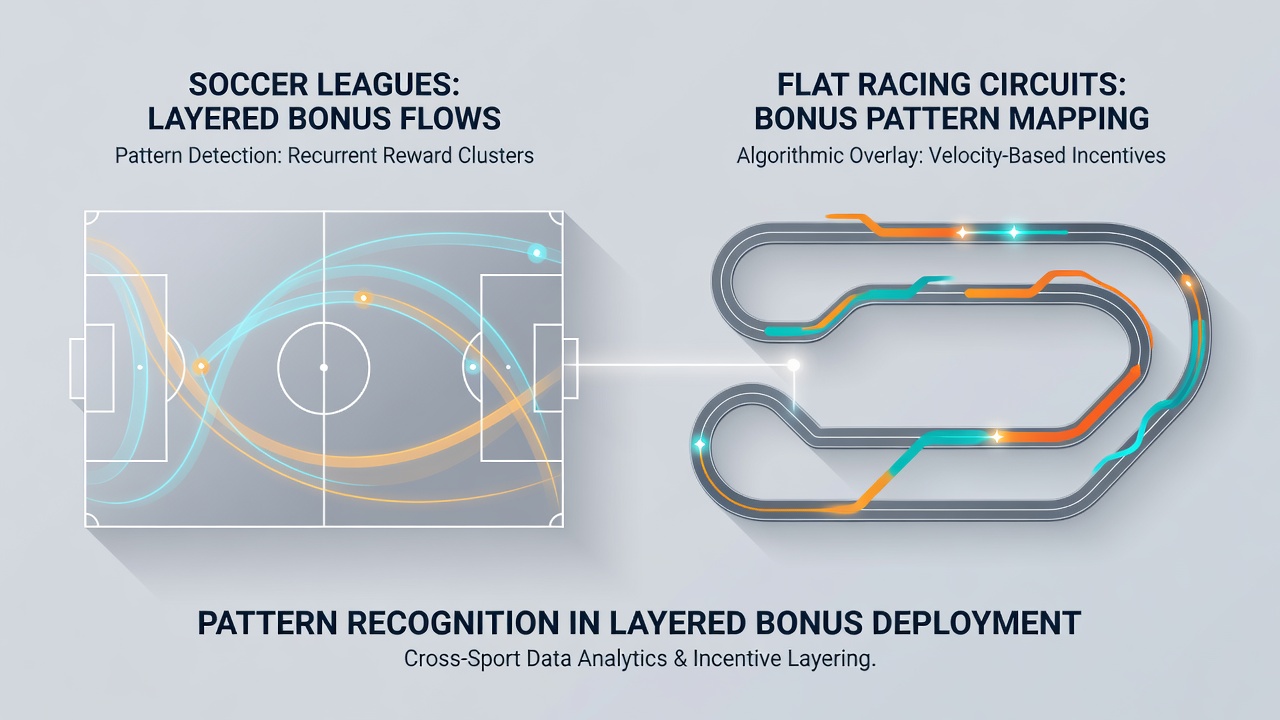
Pattern recognition plays a central role in how operators structure and release layered bonuses across soccer leagues and flat racing circuits, with systems designed to align promotional tiers with seasonal performance data and event calendars. Observers note that these layers typically include entry-level deposit matches, mid-tier free bet multipliers, and top-tier cashback thresholds that activate only after specific accumulation thresholds are met. Research from academic institutions indicates that algorithms identify recurring sequences in betting volumes, allowing deployment schedules to shift in response to league fixtures and racing meets.
Core Mechanisms Behind Layered Bonus Structures
Data shows that soccer leagues such as those in major European competitions generate distinct volume spikes during midweek matches and weekend rounds, while flat racing circuits produce parallel patterns during spring and autumn campaigns. Experts have observed that pattern recognition tools scan historical transaction logs to predict when participants reach each bonus layer, and operators adjust release timing accordingly. In July 2026, industry reports highlighted how these tools processed millions of data points weekly to refine deployment across both domains, reducing overlap between soccer accumulator promotions and racing place-pot offers.
Application in Soccer League Environments
Within soccer contexts, pattern recognition identifies streaks in team form and goal-scoring metrics that correlate with increased accumulator activity. Operators deploy the first bonus layer during early-season fixtures when participation rates remain moderate, then escalate to higher tiers once data reveals sustained interest through domestic cup ties. Studies conducted by research bodies reveal that such sequencing maintains engagement without triggering early saturation, and figures from regulatory analyses confirm measurable lifts in handle during targeted windows. One analysis of multi-league datasets demonstrated how recognition models flagged correlations between away-team underdog results and subsequent bonus redemptions within 48 hours.
Parallel Deployment in Flat Racing Circuits
Flat racing circuits apply similar recognition frameworks to race-day attendance, jockey performance clusters, and distance-specific betting trends. The initial bonus layer often activates ahead of high-profile group races, with subsequent layers unlocking after participants meet minimum stake requirements across consecutive meetings. According to data compiled by the European Gaming and Betting Association, racing operators using these models recorded steadier uptake across festival periods compared with static bonus calendars. Pattern algorithms further distinguish between sprint and staying contests, allowing operators to time cashback layers around verifiable speed figures and trainer patterns that recur annually.
Cross-Domain Integration and Data Overlaps
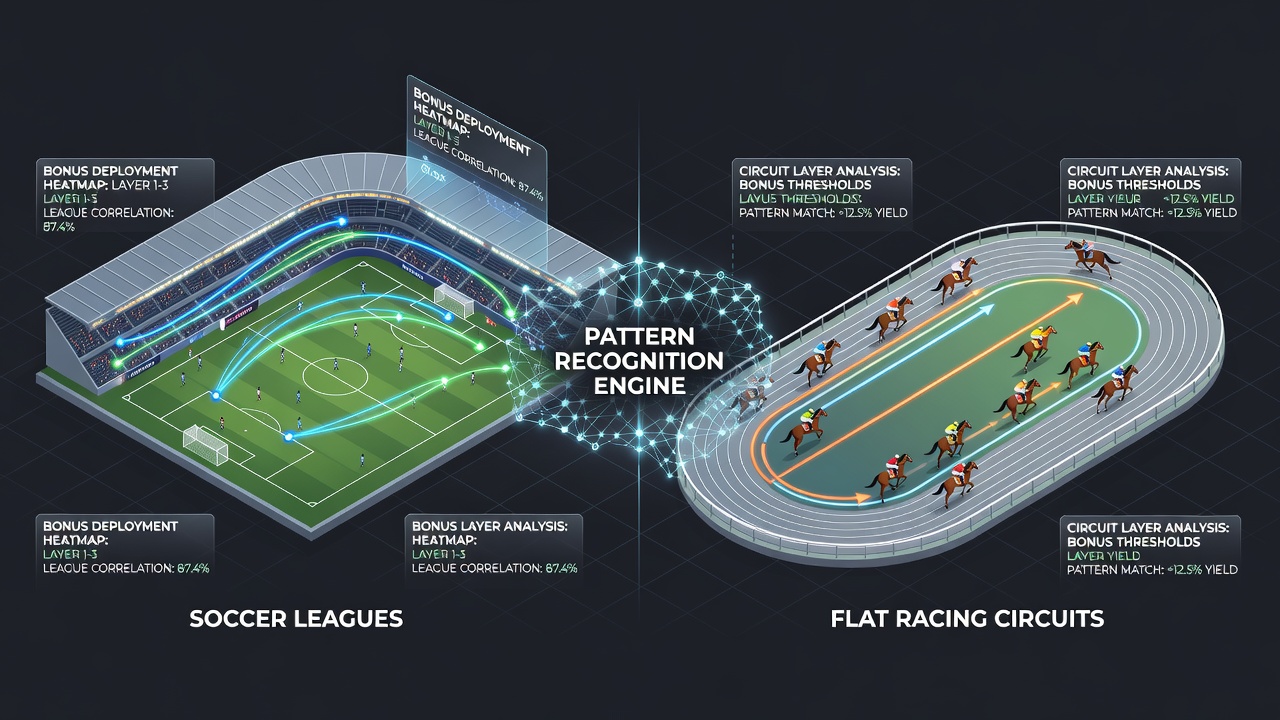
Integration between soccer and flat racing occurs when recognition systems identify shared participant pools that migrate between the two markets during overlapping seasons. Operators track cross-product sequences, such as a user completing a soccer accumulator then shifting to a racing place-pot, and adjust layered thresholds to encourage continued activity. Reports from the Victorian Responsible Gambling Foundation document how these cross-market models reduced redundant bonus exposure while preserving overall volume. In July 2026, updated datasets showed that operators who synchronized soccer and racing layers experienced more consistent daily engagement metrics across both verticals.
Conclusion
Pattern recognition continues to shape how layered bonuses deploy across soccer leagues and flat racing circuits by aligning promotional tiers with measurable activity cycles and participant behavior. Continued refinement of these systems relies on expanding datasets that capture both markets simultaneously, supporting more precise timing and threshold calibration without disrupting established participation flows.