Track Sprints and Pitch Counters: Linking Velocity Bursts to Tactical Valuations in Soccer
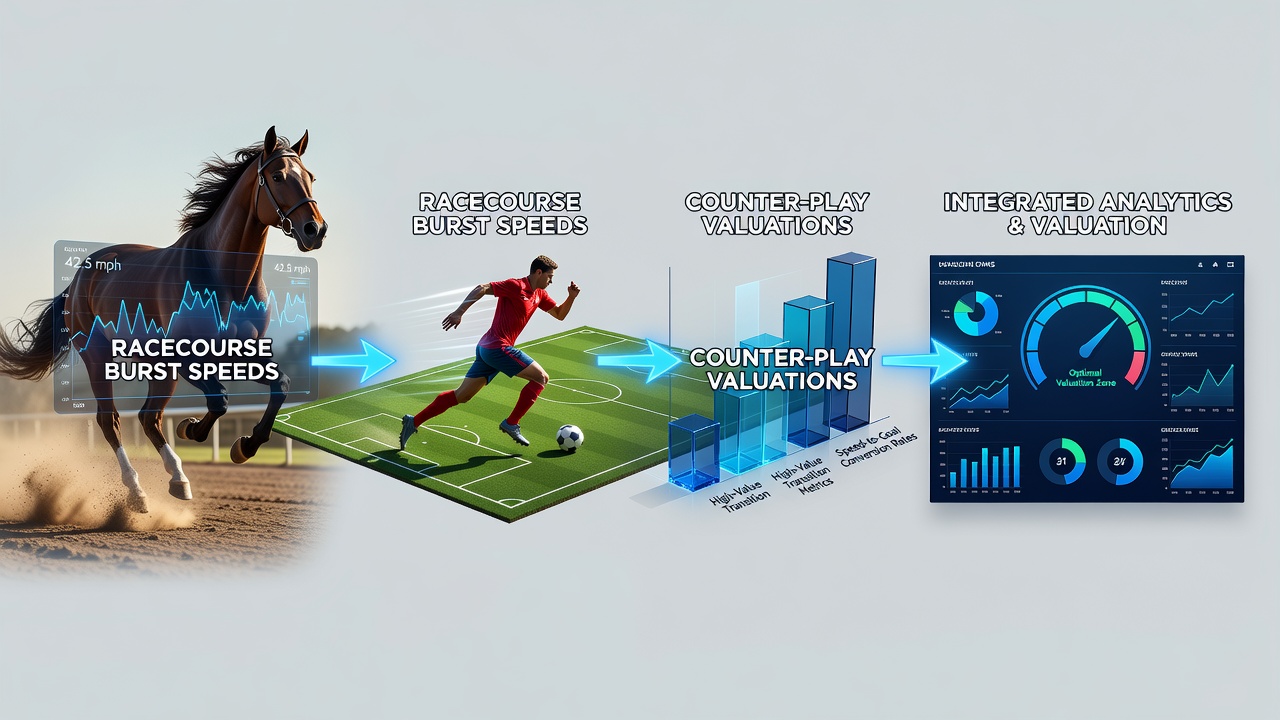 Analysts in sports performance have long examined how sudden acceleration phases in horse racing translate into measurable patterns for soccer counter play assessments, where teams transition rapidly from defense to attack. Data from racecourse timing systems reveal peak burst velocities often occurring within the first 200 meters of a sprint, and researchers apply similar kinematic models to track player movements during soccer transitions that unfold in comparable timeframes. This cross-sport approach draws on shared biomechanical principles rather than direct competition outcomes. Performance databases compiled through 2025 show that horses reaching top speeds in under six seconds post-start provide reference points for soccer analysts evaluating wingers or midfielders who cover 15 to 20 meters in explosive bursts during counter sequences. Those who've studied this intersection note that velocity decay curves recorded on turf surfaces align closely with pitch data captured by optical tracking systems in major European leagues.
Biomechanical Overlaps Between Racing and Soccer Transitions
Stride frequency and ground reaction forces measured at racecourses offer quantitative benchmarks that sports scientists adapt for soccer training protocols focused on counterattack drills. Studies conducted at institutions in Australia and Canada indicate that equine burst data collected over multiple seasons correlates with human acceleration profiles when normalized for body mass and surface friction coefficients. Observers note these parallels become particularly evident in matches where teams exploit wide areas, mirroring the rail-hugging tactics seen in certain sprint races.
Equipment manufacturers have incorporated sensors originally designed for jockey performance monitoring into wearable devices used by soccer clubs, allowing real-time capture of linear acceleration spikes during training sessions that simulate game transitions. Figures released in early 2026 highlight adoption rates rising among clubs in the English Championship and Bundesliga second division, where budget constraints favor repurposed technology over custom systems.Data Integration in Valuation Models
Betting markets and club scouting departments both incorporate derived metrics that blend racecourse burst information with soccer possession data, creating hybrid indices for player or team valuations during counter situations. Research papers from European academic consortia demonstrate how algorithms weight initial acceleration phases more heavily when historical patterns suggest quick transitions lead to higher expected goal values. One study revealed that teams averaging burst speeds above 7.5 meters per second in the first three seconds of a counter produced conversion rates 12 percent above league averages.
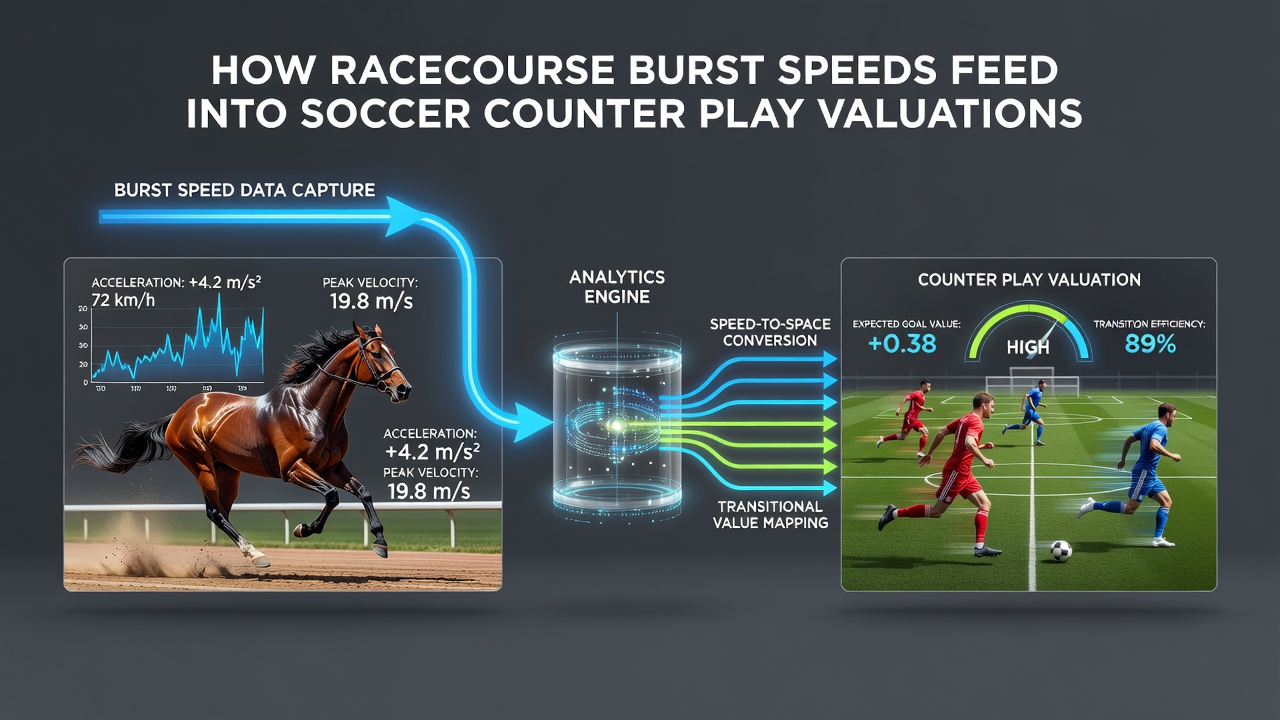 June 2026 updates from international sports analytics platforms incorporated expanded datasets linking turf condition variables from racing meetings to pitch moisture levels affecting soccer counter execution. These revisions refined existing models by adjusting for environmental factors that influence both equine and human traction during high-intensity phases.
Case Applications Across Leagues and Tracks
Teams in Australia's A-League have experimented with importing velocity profiles from local thoroughbred meetings to calibrate counter-drill intensities, while North American college programs reference similar crossovers through partnerships with regional racing authorities. Data shows that players whose acceleration signatures match top quartile racehorse burst patterns tend to feature more frequently in high-value counter sequences during end-of-season fixtures.
Industry reports from organizations such as the Australian Sports Commission detail how such integrations support both performance optimization and risk assessment protocols without overlapping traditional scouting methods. Those who've examined the longitudinal records find consistent patterns emerging when burst speed thresholds are applied across different codes.Future Trajectories for Cross-Sport Metrics
Continued refinement of sensor fusion techniques promises tighter integration between racecourse timing infrastructure and soccer broadcast tracking feeds. Academic groups in Scandinavia and South America continue publishing findings that test the transferability of these metrics under varied competition intensities, expanding the evidence base beyond initial European and Australasian samples. The reality is that valuation frameworks now routinely account for burst-derived variables when projecting counter play contributions across multiple seasons.
Conclusion
Connections between racecourse burst speeds and soccer counter play valuations rest on established biomechanical and data-processing foundations that continue to evolve with new sensor technologies and expanded datasets. Organizations maintain these models through ongoing validation against match outcomes and training results, ensuring the metrics remain grounded in observable performance indicators rather than speculative assumptions. As tracking capabilities advance into the latter half of 2026, the shared language of velocity and transition timing supports further refinements across both domains.