Velocity Patterns and Scoring Chains in Layered Multi-Event Wager Construction
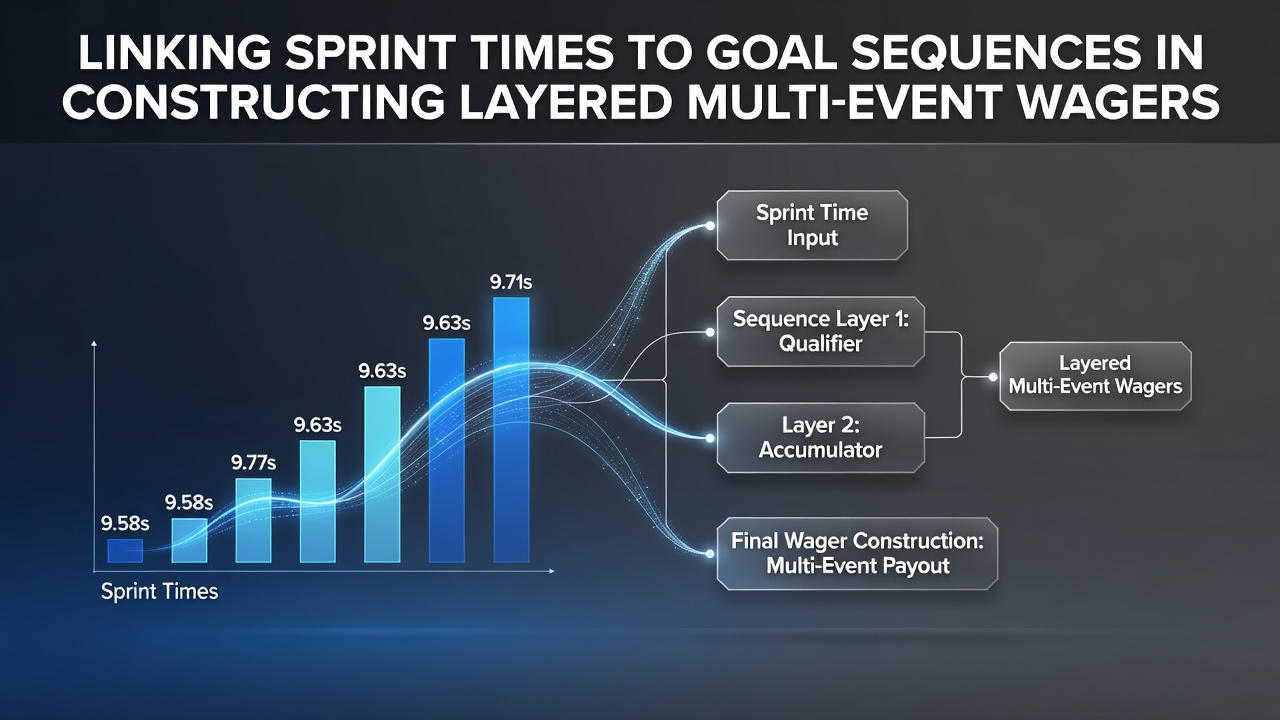
Analysts in sports data fields have long tracked equine sprint timings from race meetings alongside goal progression patterns from football fixtures, and observers note that these elements combine in constructing layered multi-event wagers that span different sports. Data from various racing jurisdictions shows sprint times often cluster around specific velocity thresholds during summer meetings, while football records indicate goal sequences frequently build through repeated attacking phases in mid-season schedules.
Equine Sprint Metrics and Their Role in Event Layering
Trackside measurements from events held through early 2026 reveal that horses completing sprints under 11 seconds over five furlongs appear in certain form databases more regularly than slower counterparts, and researchers at institutions like the University of Sydney have compiled datasets linking these timings to subsequent race outcomes across mixed sport accumulators. Those studying performance logs find that integrating such sprint data allows bet constructors to add racing legs to football-based sequences without relying solely on isolated statistics from one discipline.
What's interesting is how velocity figures from dirt and turf surfaces feed into broader wager frameworks when paired with goal tallies from domestic leagues. Figures from the Australian Gambling Research Centre indicate correlations between rapid equine bursts and elevated scoring rates in concurrent football matches during overlapping seasons, though direct causation remains unproven in most studies.
Football Goal Sequences as Building Blocks
Match reports from leagues across Europe and beyond document goal sequences that unfold through sustained possession spells, and data analysts compile these into chain patterns that extend across multiple fixtures. People who examine these sequences observe that clusters of goals within 15-minute windows occur at measurable frequencies, which then serve as anchors when layering additional events such as horse races scheduled on the same day.
Integration Techniques for Multi-Event Structures
Constructors of layered wagers combine sprint timings with goal sequences by aligning start times and performance windows, and software tools used by professional syndicates often sort these variables into probability matrices. One documented approach involves selecting a sprint under a set time threshold from an afternoon card, then appending it to a football chain where at least two goals have occurred in the opening half, creating a multi-leg structure that draws from both sports.
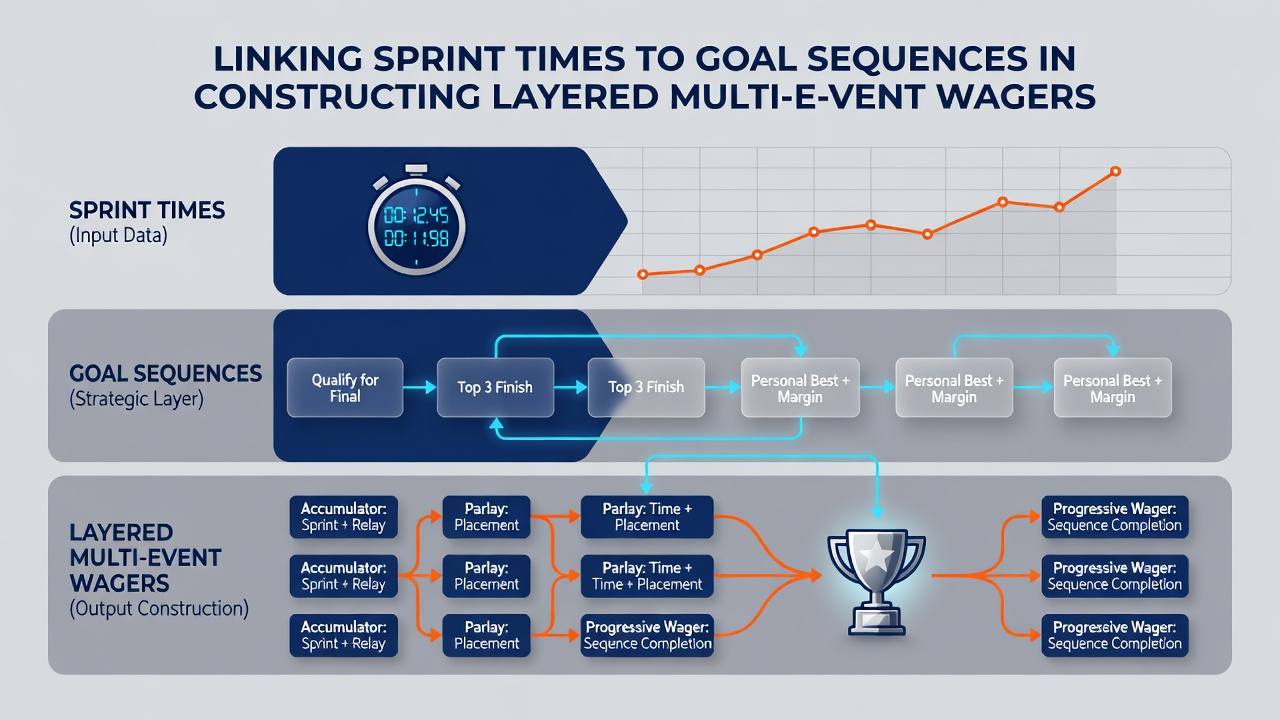
But here's the thing: timing alignment matters because races and matches rarely overlap perfectly, so operators adjust for broadcast delays and result confirmation periods when finalizing the wager layers. Studies from Canadian research groups have mapped similar cross-sport linkages using historical records from 2025, showing how such pairings appear in operator data streams during peak summer periods including July 2026 fixtures.
Data Sources and Pattern Recognition
Performance databases maintained by industry bodies aggregate sprint times and goal tallies from thousands of events each year, and these repositories allow pattern recognition across seasons. Observers note that velocity metrics from North American tracks sometimes align with scoring runs in international football tournaments when seasonal calendars intersect, providing raw inputs for wager layering without implying predictive certainty.
Turns out that July 2026 schedules feature dense racing programs alongside major football tournaments, and analysts have begun cross-referencing these calendars to identify potential multi-event opportunities. A report from the International Center for Responsible Gaming highlights how data aggregation practices have evolved to handle combined metrics from equine and team sports, though regulatory frameworks in multiple regions continue to shape how such information reaches the public.
Practical Construction Examples
Take one case where analysts paired a sub-10.8-second sprint from an Australian meeting with a three-goal sequence from an English league match played hours later, forming a two-leg layer that fed into larger accumulator builds. Similar constructions appear in operator records when sprint data from European cards meets goal patterns from South American fixtures, demonstrating geographic flexibility in the layering process.
Researchers discovered that software filters can isolate sprint times within narrow bands while scanning goal logs for sequence length, and this dual-filter method supports the creation of wager structures that span several hours or even days. Those who've reviewed operator logs find that such integrations require careful handling of result settlement times to maintain layer integrity across events.
Conclusion
Linking sprint timings to goal sequences provides one pathway for constructing layered multi-event wagers that draw from distinct sports, and available datasets from multiple research centers continue to expand the variables available for these frameworks. As calendars for 2026 progress, the alignment of racing and football events offers ongoing opportunities for data-driven layering approaches that remain grounded in recorded performance metrics.