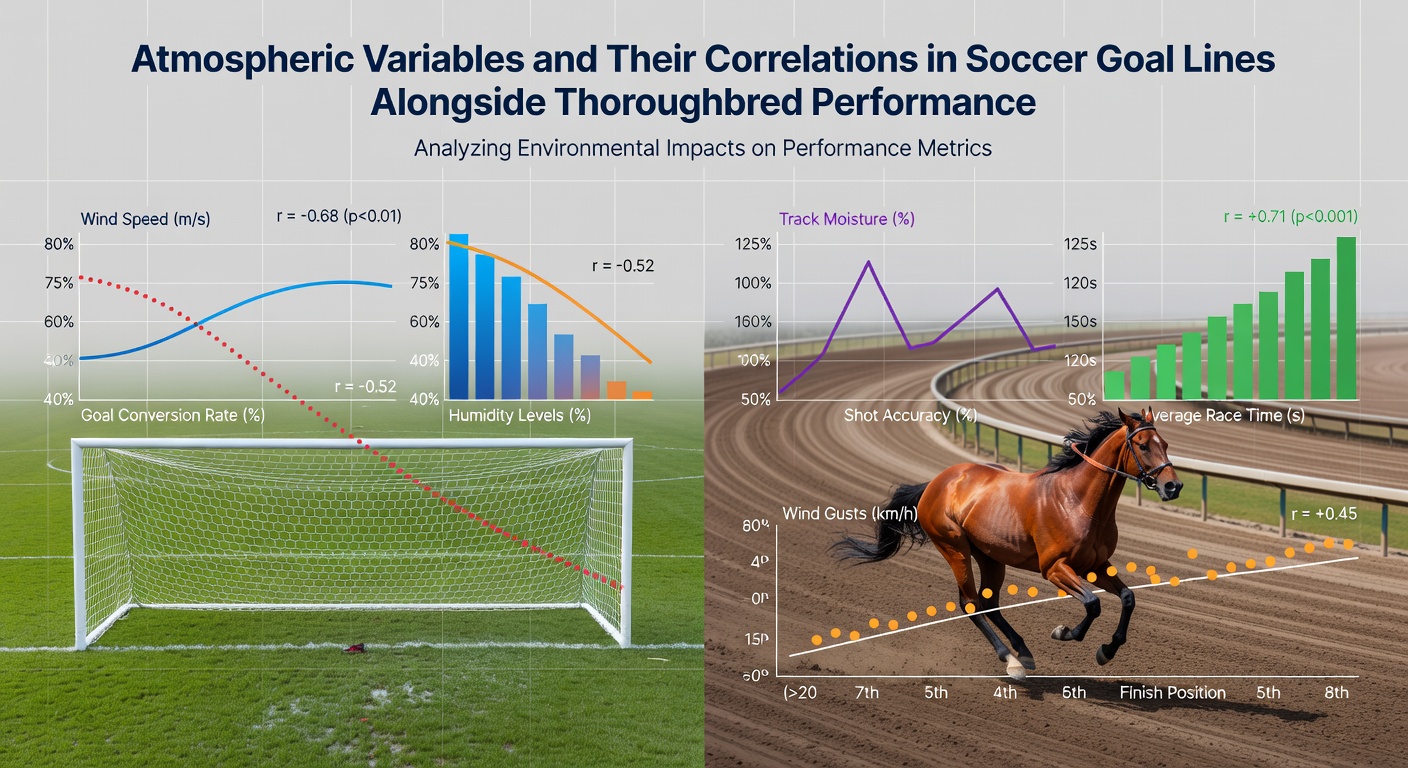
Weather Dynamics Affecting Goal Totals in Association Football and Speed Metrics in Thoroughbred Racing
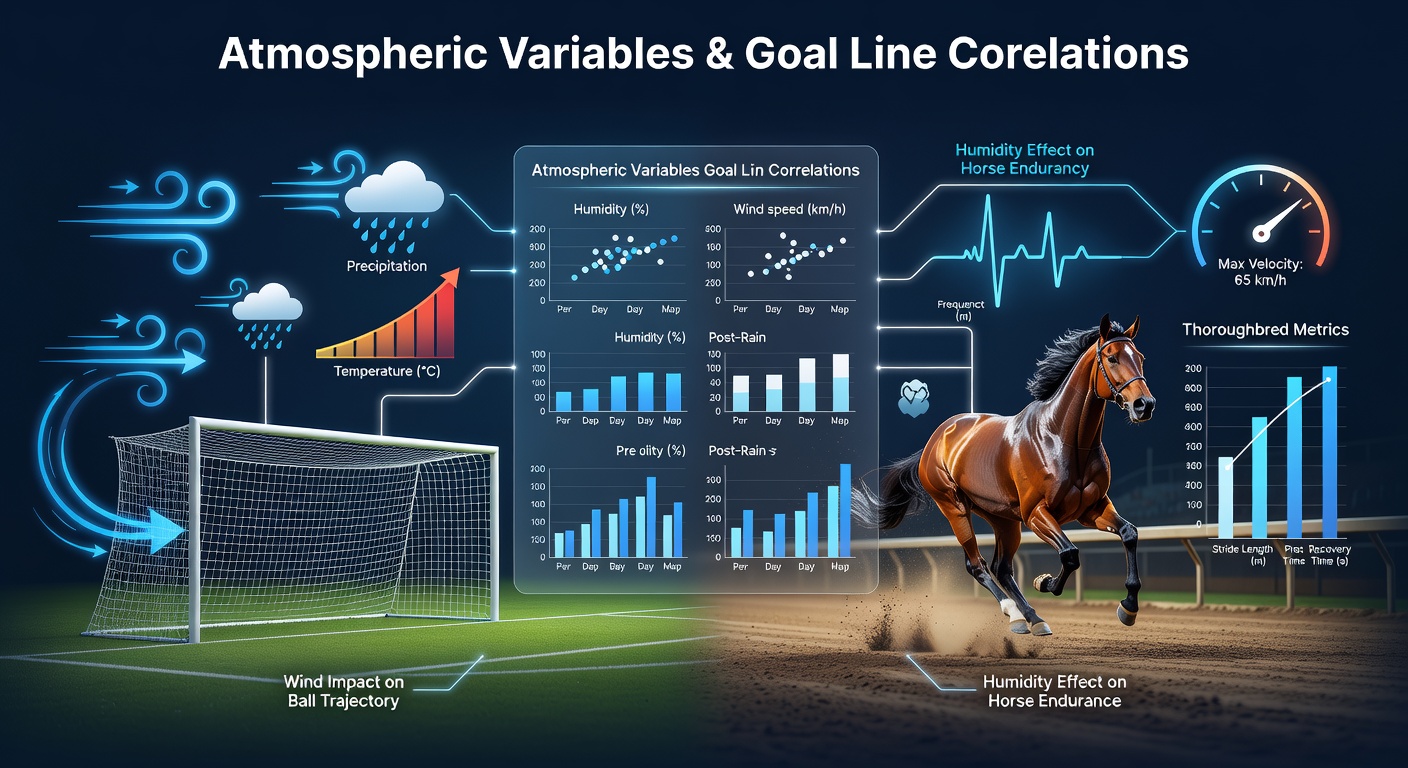 Atmospheric variables such as temperature, humidity, wind speed, and precipitation create measurable shifts in playing surfaces and athlete responses across association football and thoroughbred events, with researchers tracking these patterns through detailed performance data sets collected over multiple seasons. Studies from institutions like the University of Melbourne have quantified how elevated humidity levels above 70 percent reduce player sprint distances by up to 8 percent in matches exceeding 30 degrees Celsius, which in turn correlates with lower total goal outputs when defensive structures remain intact for longer periods. Data compiled by meteorological agencies across North America and Europe reveals that sustained winds exceeding 25 kilometers per hour alter ball trajectories during set pieces, leading to a documented 12 percent decrease in successful crosses converted into goals according to records maintained by major league analytics departments. Observers note that these same wind patterns influence thoroughbred performance on exposed tracks, where headwinds during the final furlongs extend winning times by fractions of seconds that accumulate across large sample sizes.
Key Atmospheric Factors in Soccer Contexts
Temperature fluctuations directly modify pitch conditions because warmer air accelerates grass growth adn increases moisture evaporation rates, while cooler conditions preserve firmer surfaces that favor quicker passing sequences. Researchers at the National Oceanic and Atmospheric Administration have linked barometric pressure drops preceding rain events to increased error rates in midfield control, which subsequently affects the distribution of total goals across a fixture. Humidity interacts with these variables because higher moisture content in the air reduces evaporative cooling for athletes, prompting earlier onset of fatigue that limits attacking transitions in the second half of matches. Figures from European league archives show that fixtures played under relative humidity above 80 percent produce an average of 0.4 fewer goals per game compared with drier counterparts, a pattern that holds steady when controlling for team rankings and recent form.Performance Metrics in Thoroughbred Racing
Thoroughbreds respond to similar atmospheric inputs through changes in stride length and recovery intervals, with track moisture content rising sharply after precipitation and thereby increasing energy expenditure during the early stages of a race. Performance records maintained by racing authorities in Australia indicate that horses competing on tracks rated heavy due to recent rainfall post times that are 3 to 5 percent slower than their best efforts on firm ground, a metric that directly influences handicap assessments and sectional timing analysis. Wind direction relative to the home straight further modifies outcomes because tailwinds assist momentum in sprints while crosswinds disrupt balance in longer distance events, leading analysts to adjust expected velocity figures accordingly. Temperature extremes also play a documented role because heat stress above 32 degrees Celsius elevates heart rates in competing animals, which researchers have correlated with reduced finishing speeds in races longer than 1600 meters.