Weather Influences on Football and Horse Racing Dynamics
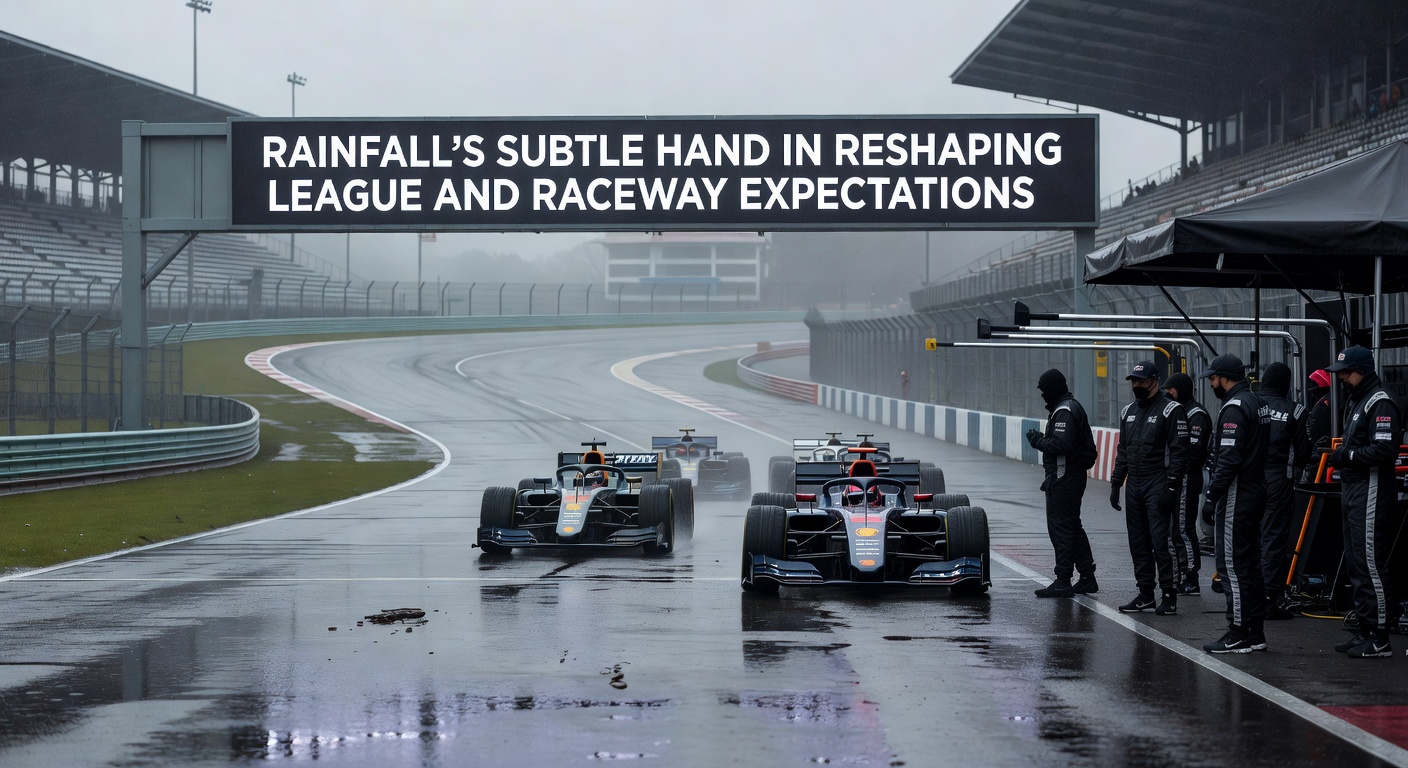
Precipitation alters playing surfaces in ways that shift team strategies during league fixtures while also modifying track conditions for racehorses on circuits across multiple regions. Data from meteorological records shows consistent patterns where moderate rainfall increases ball skidding on grass pitches and softens turf on raceways, which in turn affects player positioning and equine stride lengths. Observers note that these changes emerge gradually rather than abruptly, allowing teams and trainers time to adjust lineups and equipment selections before events begin.
Effects on League Matches
Football leagues experience surface modifications when rainfall accumulates because water absorption raises friction levels and reduces ball bounce, which forces midfielders to adapt passing angles and defenders to alter tackling approaches. Studies conducted by the National Oceanic and Atmospheric Administration indicate that pitches with 10 to 20 millimeters of recent rain see a measurable drop in high-speed sprints, since players conserve energy on heavier ground. Those who've tracked match statistics across European divisions report fewer long balls and increased short passes during such conditions, as teams prioritize possession retention over direct attacks.
Coaches respond by selecting players with stronger lower-body strength for wet-weather fixtures, while analysts compile historical performance metrics that separate dry-day results from those recorded after precipitation events. This separation reveals how certain squads maintain higher completion rates in damp environments compared to others that rely on pace-oriented styles.
Impacts on Raceway Events
Horse racing circuits face parallel adjustments when rainfall softens the ground because track officials update going descriptions from firm to good-to-soft or heavy, which influences trainer decisions on shoe types and jockey instructions regarding pace. Research from the European Environment Agency highlights that synthetic surfaces drain faster than natural turf yet still experience grip variations that affect finishing times by fractions of seconds in sprint races. Trainers who monitor these variables often switch to horses with proven records on softer terrain, since stride patterns change noticeably once moisture levels rise above certain thresholds.
Jockeys receive updated briefings on rail positions that become advantageous in wet conditions, where inside lanes may hold more moisture while outer paths dry quicker due to wind exposure. Records kept by racing authorities demonstrate that favorites with strong wet-weather pedigrees outperform market expectations on affected days, whereas speed-oriented runners encounter greater challenges maintaining early leads.
Combined Patterns Across Disciplines
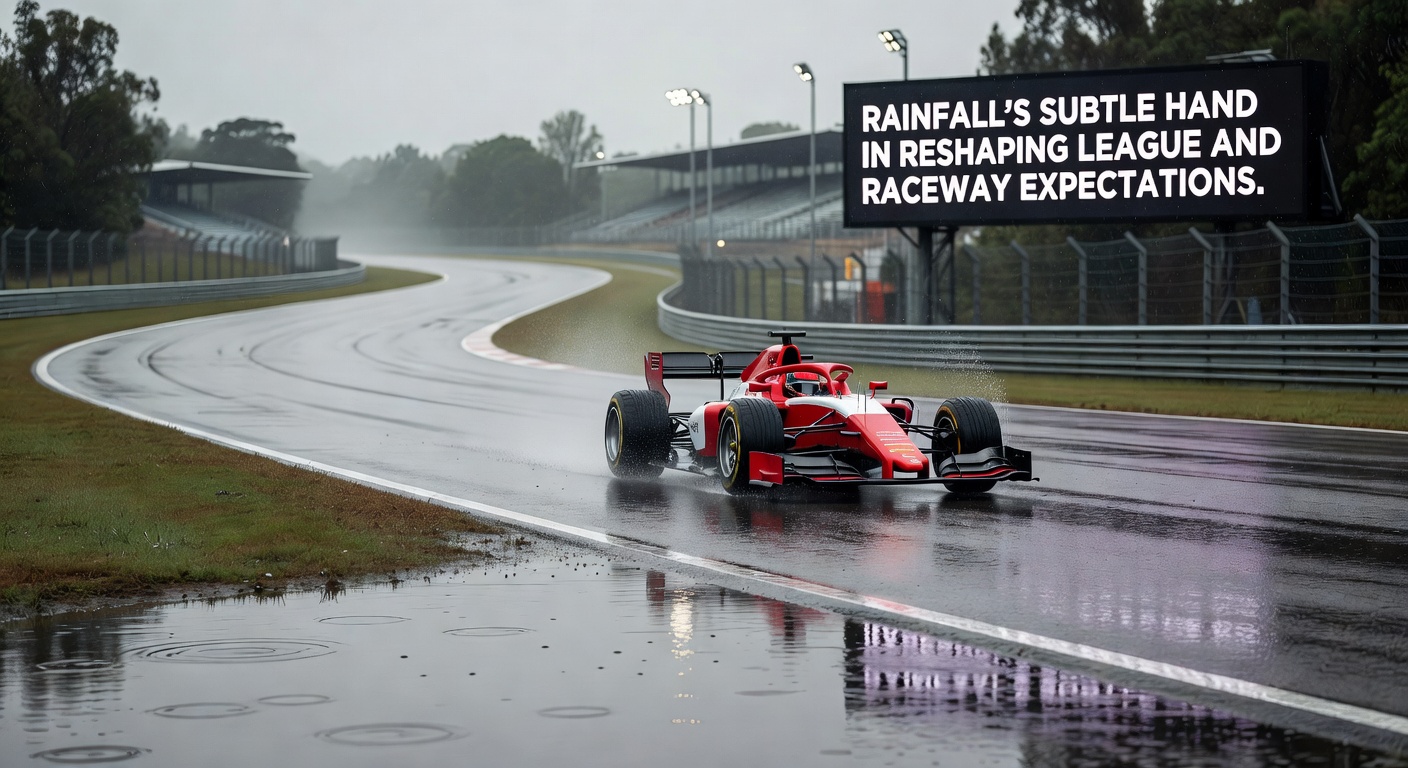
Analysts who examine both football and racing data find overlapping trends where precipitation events scheduled around major fixtures prompt reevaluation of pre-event probabilities. For instance, a weekend with widespread showers across Britain and Ireland leads to revised assessments for Saturday league games and Sunday race meetings, since ground conditions evolve overnight and require last-minute confirmations. Industry reports from groups such as the National Oceanic and Atmospheric Administration provide forecasts that betting operators and event organizers incorporate into operational planning.
Those monitoring May 2026 developments will observe how ongoing venue maintenance schedules coincide with typical spring rainfall patterns, which can accelerate or delay surface preparations for both league restarts and festival race meetings. Equipment adjustments such as stud changes on football boots and blinkers on racehorses become routine responses once meteorologists issue updated precipitation outlooks.
Long-Term Observations
Longitudinal studies spanning multiple seasons show that regions with higher average rainfall experience more frequent surface-related performance shifts, prompting leagues and racing bodies to invest in drainage systems that mitigate extreme water accumulation. Data compiled by academic researchers at institutions including the University of Melbourne demonstrates correlations between seasonal moisture levels and injury rates among athletes and equines, since softer ground reduces impact forces yet increases slipping risks. These findings encourage proactive monitoring protocols that track soil moisture content in real time during active competition periods.
Event organizers coordinate with local weather services to issue timely updates, allowing participants to refine tactics without last-second disruptions. The reality is that consistent record-keeping across both sports creates datasets that reveal subtle yet repeatable influences from rainfall on overall expectations for match outcomes and race results.
Conclusion
Precipitation continues to serve as a measurable variable that reshapes surface behaviors in league football and raceway events, with documented effects on strategy, equipment, and performance metrics. Ongoing data collection from meteorological and sports authorities supports refined planning that accounts for these environmental factors across upcoming seasons.